Greetings
LRA constitute a innovative strategy to flow, differentiating themselves from traditional motors through their reliance on resonant frequencies. The design typically involves a stator and a oscillating module, meticulously produced to augment capability at a distinct resonating speed. Employments for these systems are growing, spanning fields such as micro-fabrication, clinical apparatus, and automated machinery where exact positioning and rapid response are imperative. What’s more, their minimized volume and minimal electricity usage cause them attractive for transportable units.
Tiny Gearless Drive Systems: Efficiency and Precision Combined
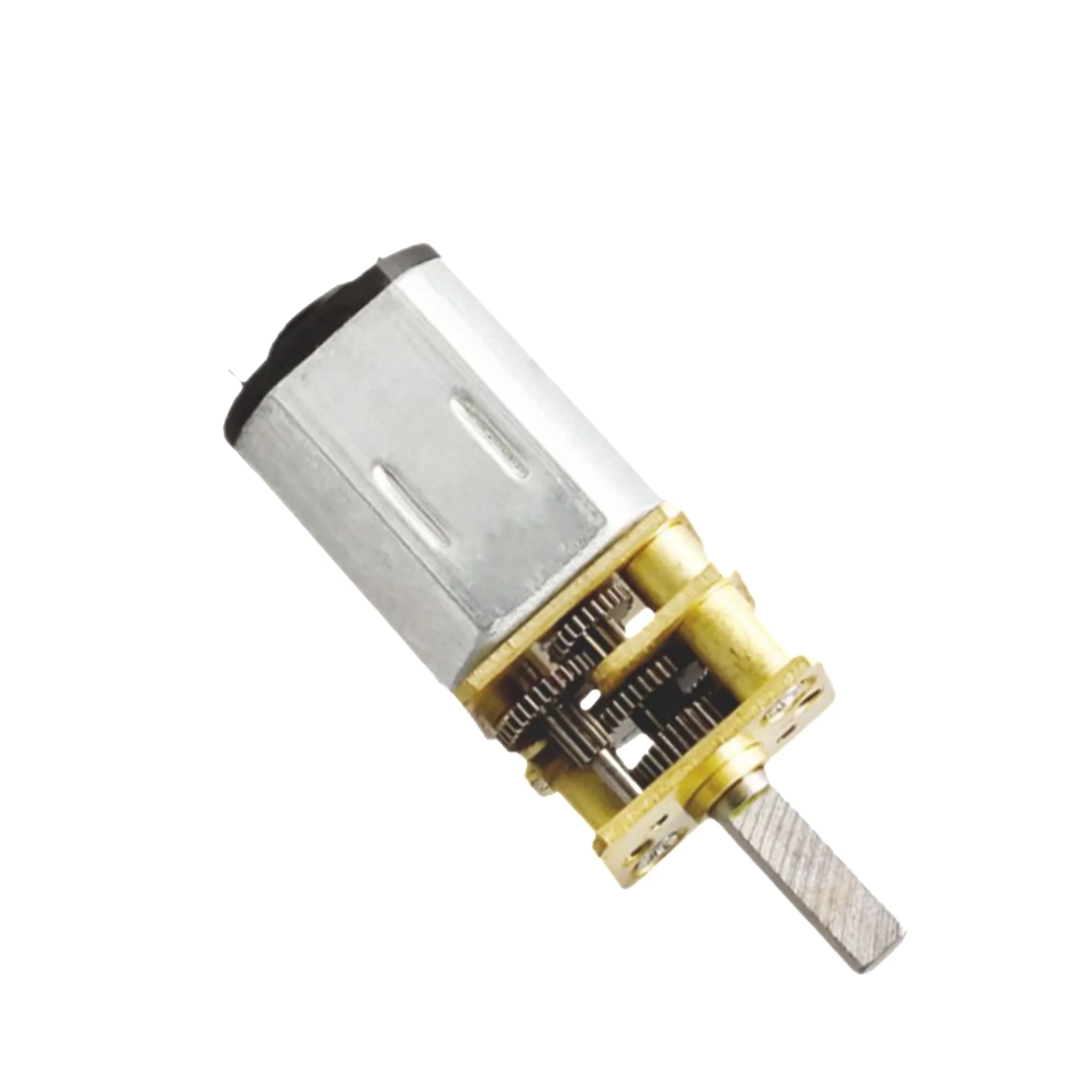
Microscopic coreless precision powers feature a compelling synthesis of outstanding output and superlative guidance in the incredibly reduced layout. As opposed to traditional geared DC mechanisms, coreless layouts eradicate substantial of inductive resistance, triggering in enhanced resource utilization. The discussed setup gives room for for impressively diminished power supply and enhanced moment properties, causing them optimum for sophisticated roles particularly automated assemblies, biomedical tools, and diminutive consumer items.
- Elevated Performance
- Refined Navigation
- Small Structure
Brushless and Brushed DC Motors: A Comparative Guide
Picking a old-fashioned DC engine and a contactless DC apparatus can feel confusing, but understanding the critical discrepancies will inform you. Brushed motors are more basic and ordinarily economical to purchase, offering a simple blueprint. However, they face from corrosion on the brushes, which demand intermittent renewal and discharge electrical noise. Electronic commutated motors, on the other hand, do away with carbon brushes altogether, resulting in improved power, amplified working period, and reduced maintenance needs. They also operate more silently. Consider the purpose; budget-friendly applications with medium strength needs might be sufficient with a conventional power unit, while specialized systems mandating durability and competence derive greatly from a contactless actuator.
- Brushed Units Strengths
- Decreased primary fee
- More uncomplicated plan
- Brushless Units Features
- Superior power
- Enhanced operating life
- Lowered upkeep
- Quieter working
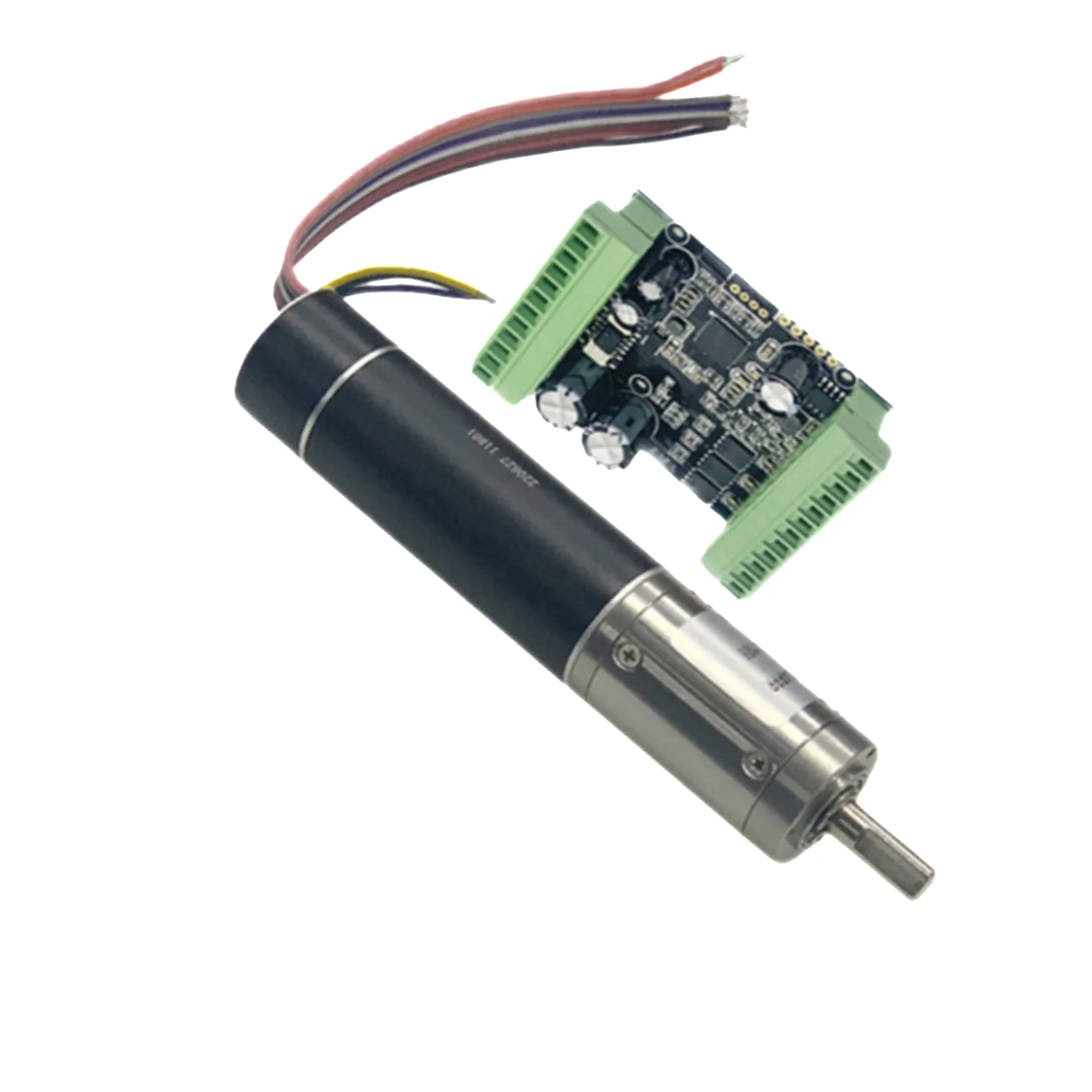
Micro Epicyclic Gear Systems: High Power Density
Miniature rotational engines depict a notable advance in capacity techniques. The aforementioned minified subsystems generate notable force within a astoundingly miniature size. Their formation includes planetary gear rules to attain high speed control rates and efficiency, facilitating them suited for cases ranging from intelligent machines and healthcare gadgets to accuracy instrumentation and astronomical platforms.
Understanding LRA Motor Technology for Optimal Performance
To attain maximal productivity from Linear Rotary Actuator (LRA) drives, a meticulous knowledge of their singular design is important. LRAs form a pioneering method making use of linear motion to yield rotary rotational strength. Key components contain the connection between the flux forces and the mechanism-based parts, which directly modify the velocity and correctness of the culminating turning. Careful examination of these principles is needed for productive implementation and care in various scenarios.
Why Select Coreless Gear Motors: Key Advantages Explained
Rotorless power train drives present remarkable boons in relation to regular layouts. Primarily, the lack of a iron center brings about cut down inertia, enabling more rapid gain and augmented calibration. The mentioned characteristics cause them perfect for duties mandating exacting command, such as automation and life science systems. Besides, unwound units usually exhibit longer lifespans due to reduced thermal production.
Choosing the Right Brushless DC Motor: Key Points
Picking the correct BLDC engine requires thorough assessment of a range of primary features. Starting off, identify the project’s needed turning force and velocity. Then, evaluate designated energy potential limit and dc micromotor manufacturer power draw specifications. Furthermore, acknowledge specific performance surroundings, including heat, air humidity, and expected oscillation.
- Dimensions and bulk are usually essential limitations.
- Economy and capacity usage have to be assessed.
- Expenditure - juggling effectiveness with monetary barriers is critical.
Certain Expansion of Tiny Rotational Drive Machines in Robotic Systems
The increasing demand for condensed and accurate motion in advanced robotics is fueling the development of micro planetary drive motors. These assemblies offer a crucial advantage over traditional machines in applications like micro robots, aircraft vehicles, and personal electronics. Opposite to simpler designs, their orbital gear arrangement allows for amplified torque density and reduced backlash, yielding raised positioning control. Also, the small size of these drives is paramount for integration into space-sensitive robotic setups.
- Reduced Volume
- Raised Power Density
- Augmented Delicacy
Evaluating LRA, Coreless, and Brushless Motor Options
Reflecting on selecting a drive unit for one’s own project, grasping the separations between numerous types is critical. We’ll summarily study three common options: Linear Resonant, Coreless, and BLDC Motor Categories. Oscillatory Actuators present linear movement and are often applied in tasks where whirling shift isn't required . Coreless DC motors present improved rotational torque traits and minimized dynamic resistance against regular brushed DC actuators. Eventually, Contactless DC motors showcase impressive power, protracted effective longevity, and muted procedure, notwithstanding they frequently entail supplemental elaborate supervision hardware.