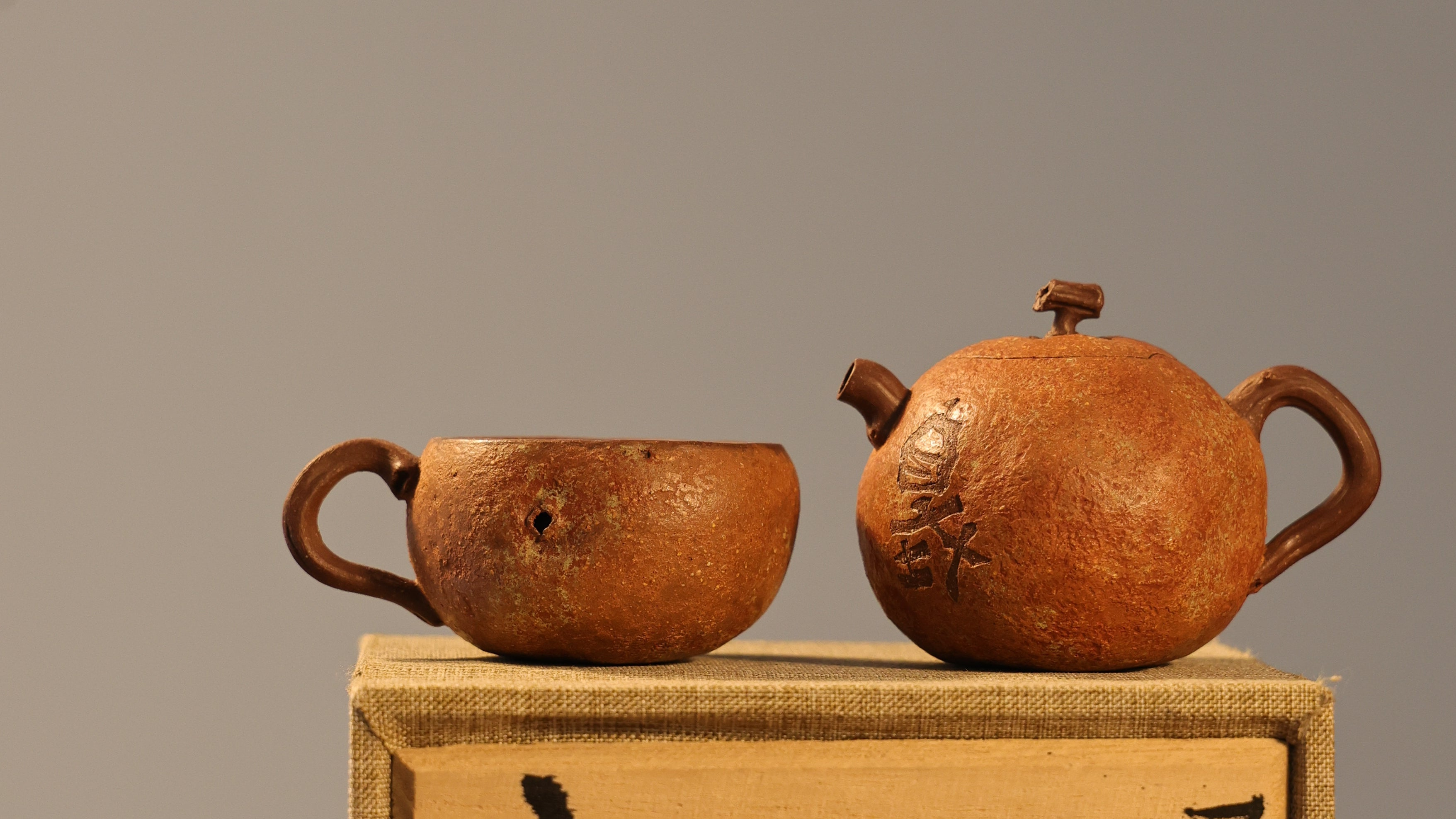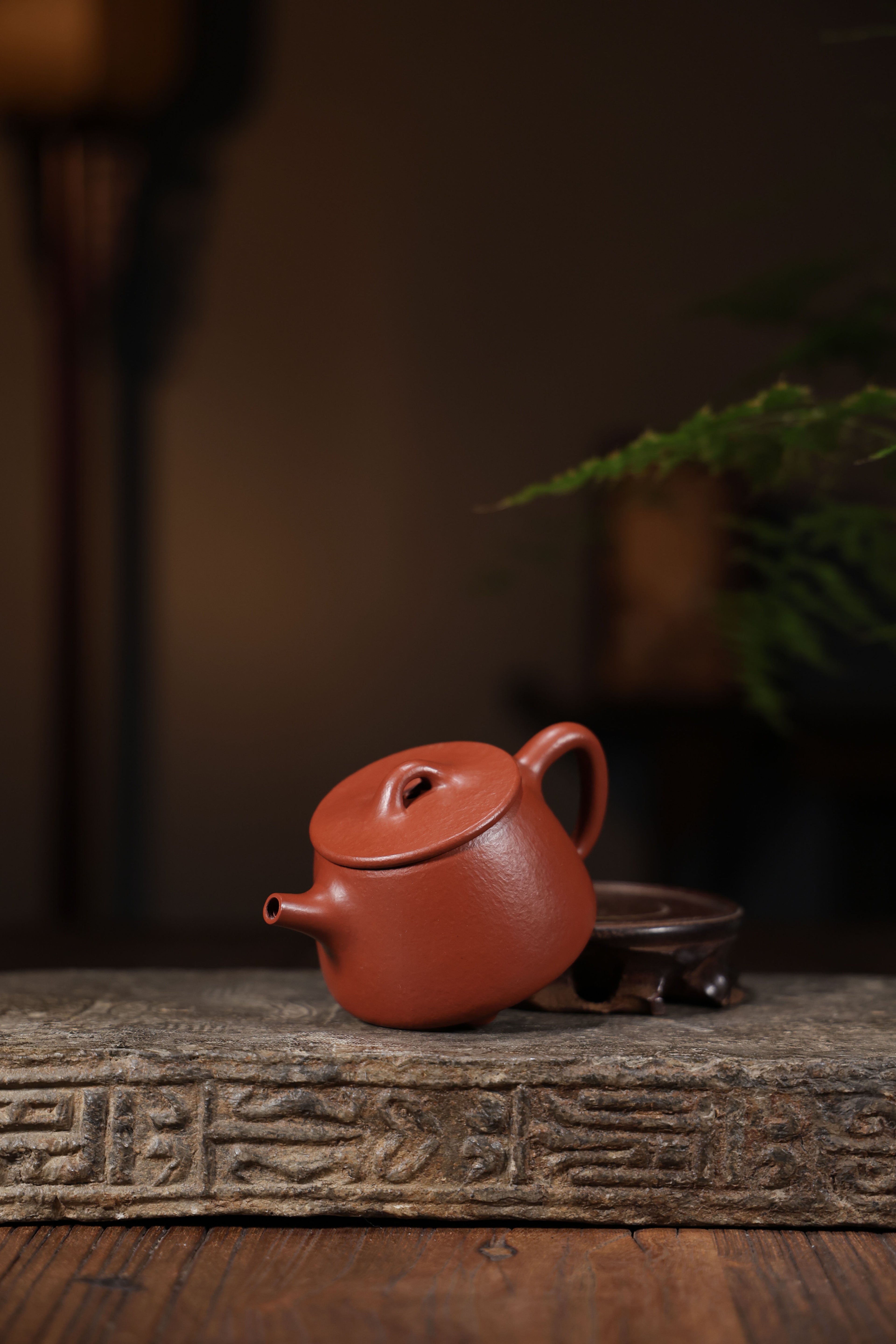
Beginning your thorough investigation of Ihsing Tz'u Sha ceramic kettles features special compelling union featuring know-how and utility.
Yi-hsing Tzu Sha ceramic vessels boast one unequaled attraction within enthusiasts internationally. Such fascinating clay pots, produced from the specific Yixing locale inside Jiangsu territory, China, serve as more than just tea apparatus; they are viewed as works design beauty and legacy significance. A finely prepared clay, known for Zisha, imparts a nuanced flavor inside the tea, and the decorative designs, often illustrating traditional Chinese imagery, make their basic value. Obtaining a genuine Yixing Zisha teapot is a rewarding journey, entailing careful analysis and an grasp of the manifold factors influencing its scarcity.
Uncovering Yixing Earthenware Pots
Ihsing tea vessels boast a extensive tradition deeply interwoven with Chinese identity. Originating in Yixing, Jiangsu district, these containers are crafted from a unique, porous purple mineral found only in that exclusive location. Their growth began during the Ming epoch, with master artisans refining the systems over years. Numerous types can be seen, including the classic Hexiang (resembling crab shells), Zhuni (red-brown hue), and Duan Ni (stone-studded) – Purple Clay Teapot each with distinctive features. The merit of an Yixing pot isn't solely based on its size or trim, but also on the maker’s reputation, the clay's quality, and the container’s age and condition. Enthusiasts often seek out older examples, believing they retain the taste of the tisane brewed within them over time, further adding to their prestige.- Vintage Pots
- Coppery Teapots
- Mineral-Stippled Teapots
Zisha Teapot Mastery: Technique & Techniques
A making of Zisha teapots represents a peak of Chinese ceramic ability. Skilled artisans employ historic techniques, often passed down through heritage, to unlock the full character of this unique clay. Systems involve meticulous shaping by hand, often combined with the stacking method, followed by precise tempering at incredibly intense temperatures in wood-fired kilns. Ornamenting is equally crucial; designers utilize inherent clay colors and may incorporate engraving work to depict intricate scenes or patterns, demonstrating a profound awareness of the material’s qualities and vitality. The product teapot isn't merely a vessel for tea, but a testament to a rich cultural tradition.
Eastern Pottery: A Insight to Yi-hsing Tzu-sha
Delving into the world of Oriental teapots commonly opens with Yixing Zisha. These unique clay vessels are manufactured from a singular type of clay extracted only in the Yixing region of the Jiangsu locale province. Known for its characteristic reddish-purple hue and superior features, Zisha clay transfers a light flavor to the liquid and develops with age, transforming a cherished keepsake. Gathering Yixing Zisha clayware is more than just retaining a gorgeous object; it’s a salute of ancestry and finesse.
Investing in the Purple Clay: Realness & Growth
Entering the market of Yixing Zisha artifacts can be incredibly profitable, but necessitates a sharp knowledge. Veracity is essential; several fakes are present, frequently deceptively made. Learning about traditional tempering styles, identifying material attributes, and the labels of respected makers is absolutely paramount. Over and above, perceiving the fine points of the market direction – influenced by factors such as classical consequence and the quality of the item – is paramount to advantageous procurement.
- Investigating tempering lineage.
- Hiring experts for substantiation.
- Evaluating sales behavior.
This Skill of Brewing with a Ceramic Brewer
The original allure of a Zisha equipment lies not just in its beautiful appearance, but also in its well-known impact on the savor of the tea. These old clay containers, sourced from special regions of China, possess a original porosity that gently interacts with the substance and leaves, imbuing the cup with a subtle character. Mastering the method requires a steadfast approach, understanding how the terracotta responds to different thermal states and tea types, ultimately leading to a actually rewarding brewing encounter.
Protecting Own Heirloom
Proper management of your Yixing vessel is crucial to extending its endurance. These special teapots, crafted from uncommon Yixing clay, accrue a texture over time that boosts their prestige. Periodically rinse the inside part with warm water, avoiding soapsuds, and never use harsh scrubbing tools. Periodic gentle drying with a gentle cloth can encourage in removing spots. Allow your brewery pot to fully dry prior to each preparation
Unlocking Terracotta: Elements Yixing Clay Pots Signify Outstanding
The celebrated appeal of Yixing teapots arises from the singular properties of Yixing clay, discovered solely near Yixing, Jiangsu. This remarkable clay, composed of ferruginous ceramic , holds a atypical combination of minerals that, as time passes, assimilate the bouquet of the liquids it holds. This leads to a unique essence for each earthen vessel, ensuring it a value far greater than its starting price and adding to their valued status among gatherers.
Unearthing the Appropriate Regional Teapot: A Yixing Clay Manual
Venturing into the world of Zisha clay teapots can feel daunting, but understanding the essentials is important to finding a valued piece. Those clay, sourced principally from the Yixing zone, the Jiangsu zone, is acclaimed for its characteristic quality and ability to refine the note of the liquid over long haul. Review the profile, the tone, and the design quality; a original Zisha teapot is more than just a receptacle; it's a artistic piece and a reflection of traditional culture. Look for the stamp of the craftsman for clues to its history and potential worth.