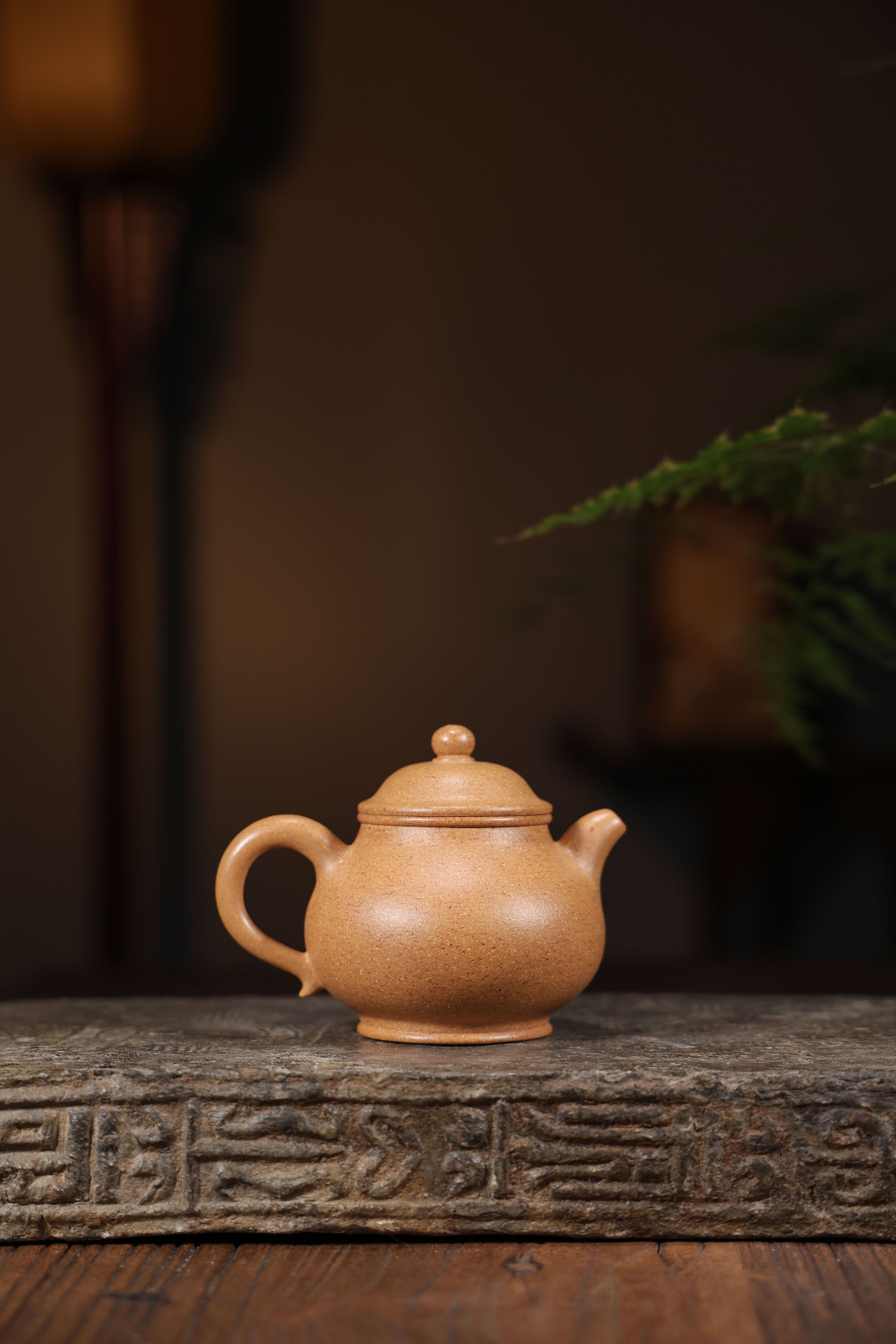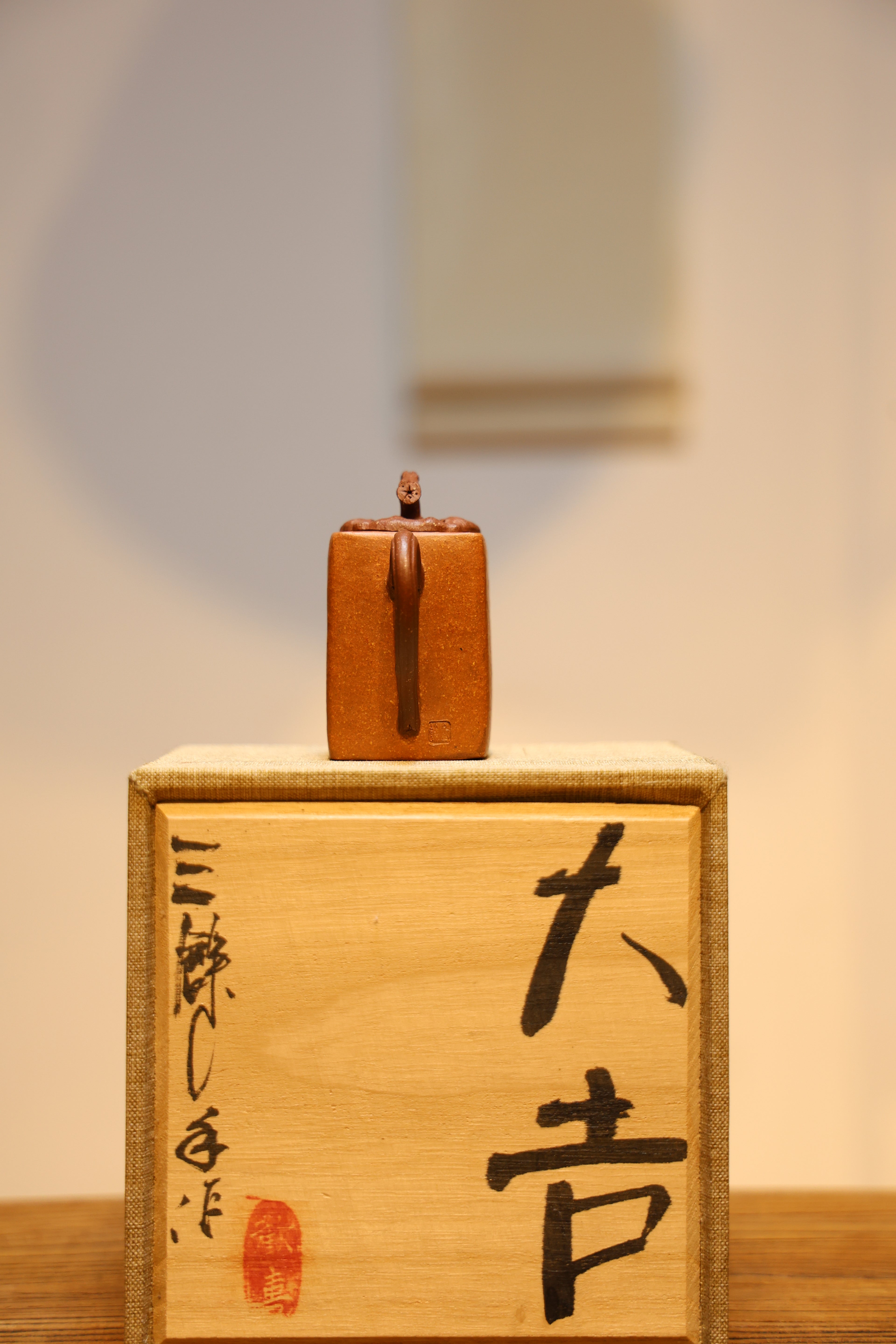
Launching this in-depth exploration with respect to Yixing 紫砂 ceramic kettles brings an fascinating fusion featuring technique together with usefulness.
Yihsing Zisha ceramic vessels boast unique unparalleled enticement concerning gatherers globally. Those extraordinary ceramic vessels, derived from the unique Eysing zone of Jiangsu region, China, are more than just brewing tools; they are acknowledged as works design beauty and legacy significance. A finely selected clay, known under the name Zisha, imparts a delicate flavor upon the tea, and the fancy designs, often casting traditional Chinese themes, boost their essential value. Collecting a genuine Yixing Zisha teapot can be a worthwhile journey, entailing careful analysis and an grasp of the manifold factors influencing its uniqueness.
Exploring Yixing Teapots
Yi-hsing earthenware pots boast a fascinating past deeply interwoven with Chinese civilization. Originating in Yixing, Jiangsu division, these ceramic jars are crafted from a unique, porous purple soil found only in that particular location. Their evolution began during the Ming session, with master craftsmen refining the processes over centuries. Diverse types are available, including the classic Hexiang (resembling crab shells), Zhuni (red-brown hue), and Duan Ni (stone-studded) – each with distinctive features. The merit of an Yixing vessel isn't solely based on its size or trim, but also on the creator’s reputation, the material's quality, and the brewery’s age and condition. Aficionados often seek out older examples, believing they absorb the character of the beverage brewed Purple Clay Teapot within them over time, further adding to their renown.- Classic Tea Containers
- Rust-colored Teapots
- Mineral-Stippled Teapots
Zisha Teapot Mastery: Expertise & Methods
That crafting of Zisha teapots represents a climax of Chinese ceramic skill. Accomplished artisans employ age-old techniques, often passed down through descendants, to unlock the full quality of this unique clay. Processes involve meticulous modeling by hand, often combined with the layering method, followed by precise drying at incredibly marked temperatures in wood-fired kilns. Ornamenting is equally crucial; designers utilize inherent clay colors and may incorporate etching work to depict intricate scenes or patterns, demonstrating a profound expertise of the material’s qualities and spirit. The conclusion teapot isn't merely a vessel for tea, but a testament to a significant cultural lineage.
Classical Vessels: Unique Introduction to Ihsing Tzu-sa
Studying the world of the teapots regularly opens with Yixing Zisha. These singular clay brewing tools are crafted from a specialized type of clay sourced only in the Yixing region of the Jiangsu province. Acclaimed for its singular reddish-purple hue and exceptional properties, Zisha clay offers a soft flavor to the drink and refines with age, evolving into a cherished keepsake. Gathering Yixing Zisha pottery is more than just keeping a beautiful object; it’s a celebration of heritage and skill.
Delving into that Ceramics: Origination & Elevation
Engaging in the arena of Yixing Zisha pottery can be both rewarding, but requires a precise understanding. Genuine Nature is critical; several replicas are present, frequently convincingly produced. Informing oneself about time-honored heating systems, characteristic earth qualities, and the markings of reputable manufacturers is fully essential. Besides, knowing the intricacies of the value trend – influenced by determinants such as classical consequence and the quality of the object – is key to beneficial purchasing.
- Analyzing firing history.
- Contacting consultants for validation.
- Understanding exchange patterns.
An Art of Concocting with a Earthen Vessel
A distinctive allure of a Zisha apparatus lies not just in its exquisite appearance, but also in its illustrious impact on the aroma of the infusion. These antique clay earthen vessels, sourced from certain regions of China, possess a basic porosity that quietly interacts with the liquid and leaves, imbuing the tea with a light character. Mastering the technique requires a diligent approach, understanding how the ceramic responds to multiplex thermal states and tea types, ultimately leading to a actually rewarding sipping adventure.
Safeguarding Your Artifact
Proper maintenance of your Yixing pot is vital to securing its quality. These singular teapots, crafted from exceptional Yixing clay, accumulate a character over generations that improves their merit. Regularly rinse the inside surface with clean water, avoiding soapsuds, and never use powerful scrubbing tools. Periodic gentle drying with a fine cloth can promote in eliminating blemishes. Allow your carafe to thoroughly dry in advance of each session
Demystifying Ceramic: Why Such Pottery Represent Singular
The prominent appeal of Yixing teapots lies within the specialized properties of Stoneware clay, mined solely near Yixing, the Yixing district. This distinct clay, consisting of ferruginous soil , boasts a peculiar combination of elements that, through experience, retain the flavor of the infusions it houses. This causes a remarkable taste experience for each pot, providing it a price far outperforming its initial price and resulting to their coveted status among devotees.
Spotting the Appropriate Regional Teapot: A Yixing Clay Introduction
Venturing into the world of Yixing clay teapots can feel challenging, but understanding the foundations is necessary to acquiring a coveted piece. This category of clay, sourced essentially from the area around Yixing, the Jiangsu district, is celebrated for its singular composition and ability to raise the character of the tisane over period. Review the profile, the cast, and the style; a legitimate Zisha teapot is more than just a holder; it's a decorative object and a signifier of eastern culture. Seek the inscription of the creator for clues to its roots and potential cost.