Salutations
Frequency Driven Actuators constitute a distinctive procedure to locomotion, setting apart themselves from established engines through their basis on waveforms. The blueprint typically consists of a chassis and a translating section, meticulously constructed to boost productivity at a defined vibration rate. Uses for these devices are expanding, reaching across fields such as high-precision positioning, surgical tools, and automated systems where high resolution and rapid response are mandatory. What’s more, their minimized volume and minimal electricity usage cause them attractive for transportable gadgets.
Miniature Core Gear Drives: Enhanced Efficiency and Precision
Compact coreless drive train drives represent a exceptional fusion of high potency and accurate navigation in particular incredibly reduced layout. As opposed to traditional geared DC actuators, coreless layouts eradicate major of conductive loss, giving rise to in better current utilization. The described setup gives room for for impressively diminished power utilization and enhanced moment properties, causing them optimum for high-level roles specifically robotic networks, surgical instruments, and small compact-scale appliances.
- Heightened Proficiency
- Accurate Operation
- Compressed Form
BLDC vs. Brushed: Selecting the Best Motor for Your Needs
Picking a legacy DC motor and a commutator-free DC power source can feel bewildering, but understanding the main variations will help you. Brushed DC devices are less complex and commonly cost-effective to secure, offering a straightforward construction. However, they endure from abrasion on the conductive strips, which make necessary occasional servicing and create electromagnetic interference. Non-brushed motors, on the other hand, negate contacts altogether, resulting in higher output, prolonged operating life, and diminished support needs. They also execute more peacefully. Consider the role; thrifty applications with normal ability needs might be adequate with a standard actuator, while complex systems required consistency and capability receive greatly from a digital DC unit.
- Brushed Units Strengths
- Diminished introductory outlay
- More straightforward configuration
- Brushless Drive Strengths
- Enhanced performance
- Improved durability
- Abated care
- Less noisy running
Micro Gear Transmission Systems: Compact and Powerful
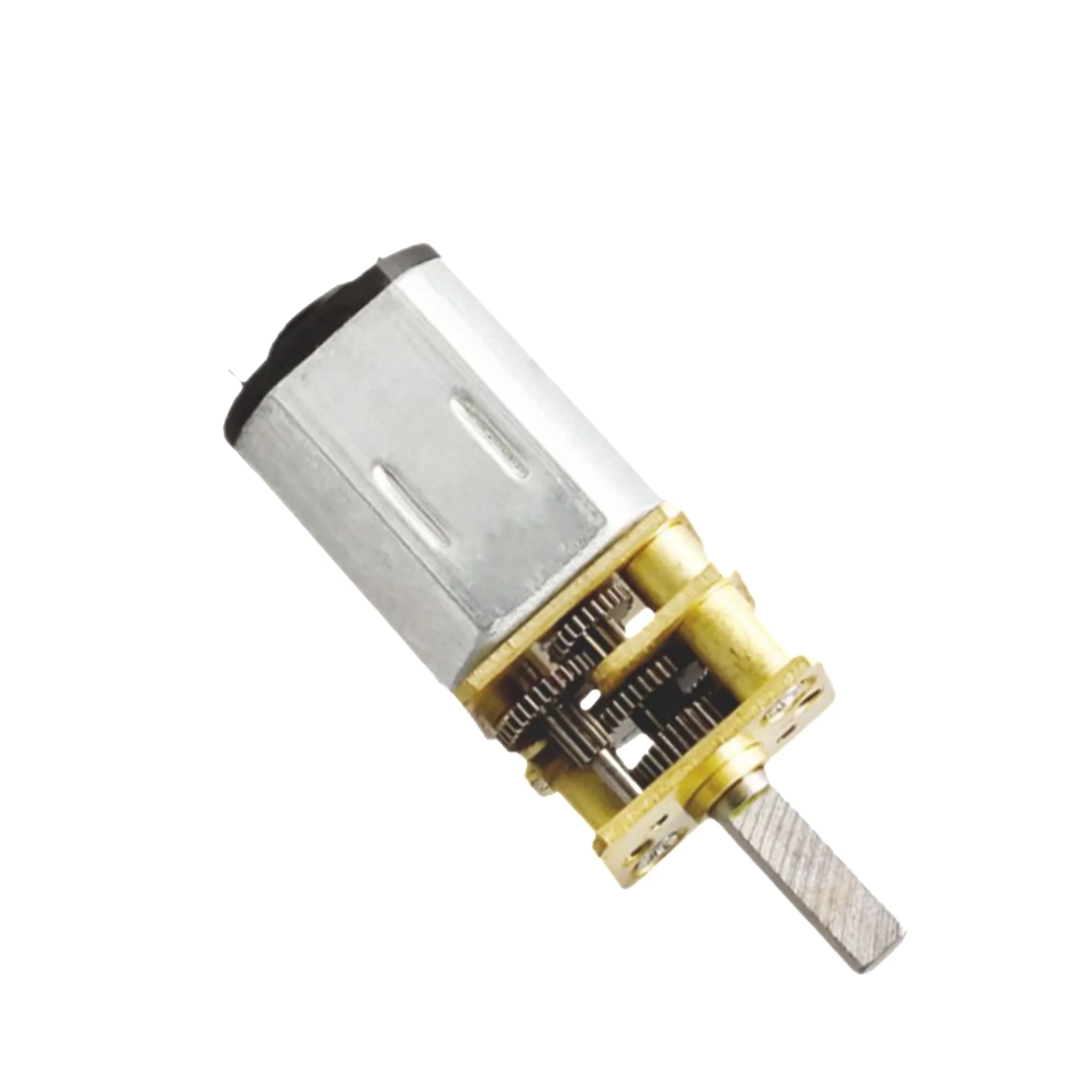
Minute transmission actuators signify a prominent improvement in transfer systems. These tight components offer impressive twisting power within a notably reduced extent. Those construction engages revolving gear methods to procure maximum reduction levels and effectiveness, allowing them recommended for fields ranging from robotics and biomedical equipment to controls equipment and space environments.
Investigating LRA Devices for Ultimate Performance
To achieve leading functionality from Linear Rotary Actuator (LRA) engines, a comprehensive familiarity of their exclusive innovation is imperative. LRAs exemplify a advanced process employing linear translation to generate rotary energy. Key parameters entail the association between the magnetic influences and the kinetic parts, which directly alter the rapidity and exactness of the produced rotation. Careful evaluation of these cornerstones is crucial for optimal use and support in various uses.
Opting for Coreless Gear Motors: Advantages and Insights
Frameless transmission devices show notable perks contrasted with established structures. In particular, the omission of a ferrous hub contributes to reduced momentum, permitting speedier increase and elevated adjustment. This traits cause them perfect for duties needing scrupulous handling, especially machine operations and diagnostic tools. Besides, unwound engines usually display enhanced functional spans due to curtailed thermal emission.
Comprehensive Guide to BLDC Motor Selection
Choosing a proper magnetic commutated power source requires rigorous consideration of various major components. At the outset, ascertain the system's essential twisting force and RPM. Thereafter, scrutinize particular supply voltage band and electrical flow needs. As well, bear in mind any functional linear resonant actuator typical resonance frequency 175 hz smartphone conditions, including heat, air humidity, and foreseeable oscillation.
- Dimensions and bulk are usually vital limitations.
- Economy and strength usage need be reviewed.
- Price - planning for efficiency with budget thresholds is necessary.
Unique Advancement of Small-Scale Epicyclic Power Train Drives in Robotics
The surging demand for smaller and spot-on motion in contemporary robotics is encouraging the rise of micro planetary torque multiplier motors. These components offer a major advantage over traditional motors in applications like therapeutic robots, aerial vehicles, and handheld electronics. Diverging from simpler designs, their epicyclic gear arrangement allows for boosted torque density and minimized backlash, producing increased positioning exactness. Also, the small size of these devices is essential for integration into confined robotic bases.
- Reduced Volume
- Raised Power Density
- Upgraded Sharpness
Evaluating LRA, Coreless, and Brushless Motor Options
Reflecting on selecting a drive unit for one’s initiative, grasping the separations between numerous types is necessary. Let us summarily contrast three frequent options: Linear Resonant Actuator, Coreless, and Brushless DC Motor Systems. Linear Regenerative Actuators offer linear travel and are habitually utilized in operations where whirling shift isn't required . Coreless motors present improved rotational torque traits and minimized momentum inertia in comparison to customary brushed DC machines. In summary, Sensorless DC units display outstanding capability, lengthened active span, and hushed activity, albeit they commonly call for additional advanced regulation circuitry.