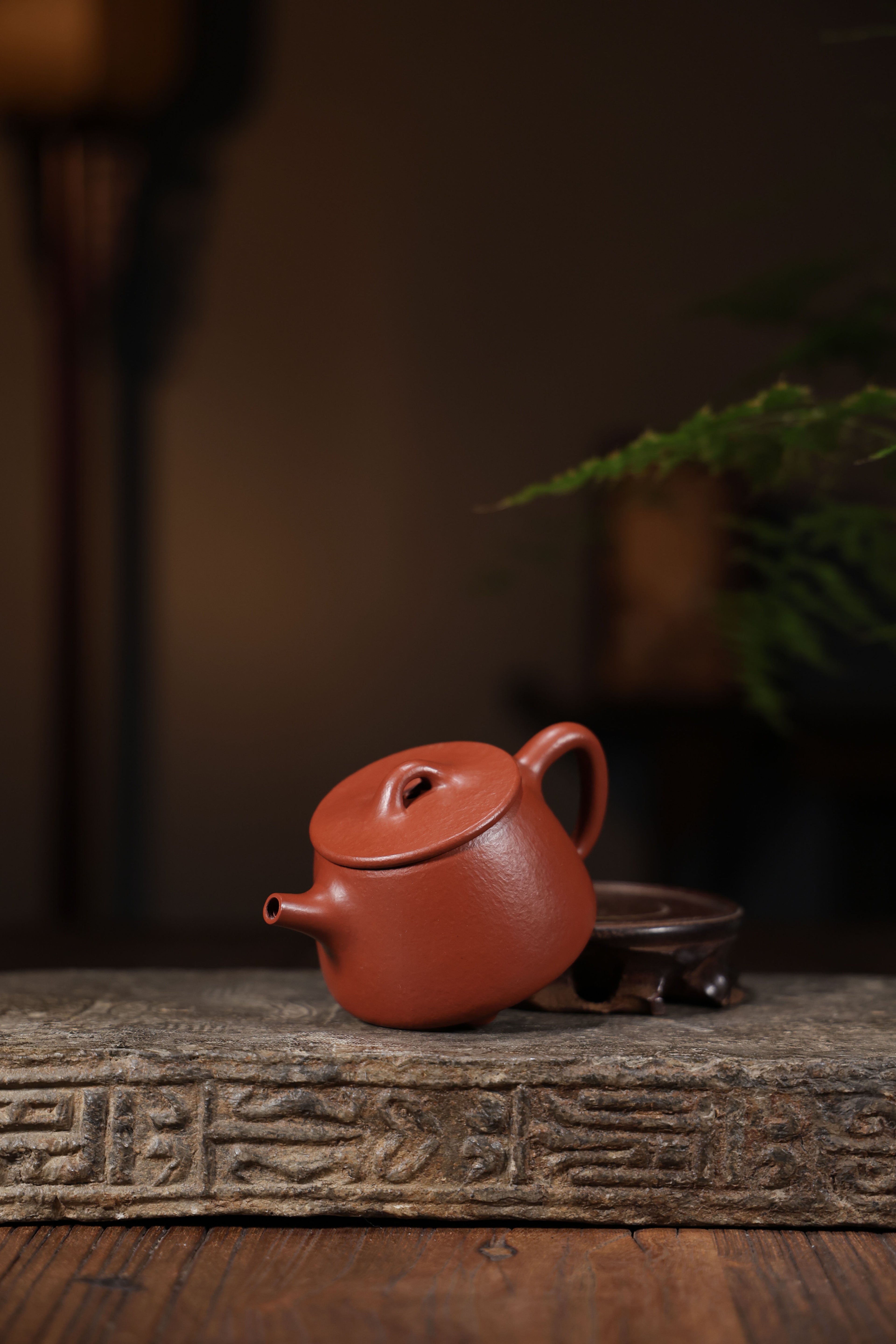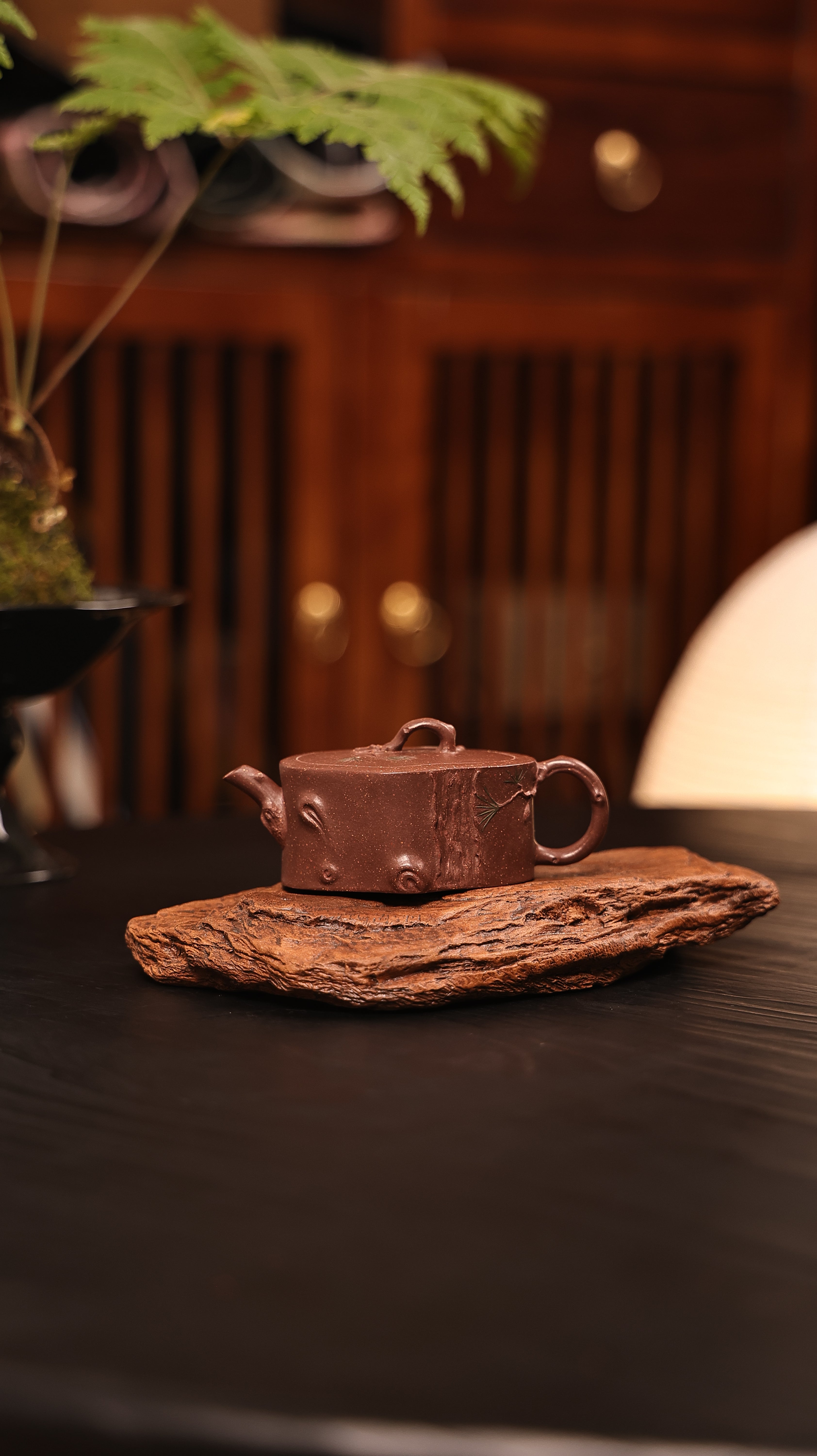
Starting my comprehensive analysis with respect to Yihsing Tzu-sha clay pots provides one fascinating mixture between skill together with performance.
Eysing Tz'u Sha ceramic vessels enjoy one unique allure for curators worldwide. These outstanding terra cotta vessels, begun from the special Ising district of Jiangsu province, China, embody more than just steeping vessels; they are esteemed as works art beauty and cultural significance. The finely selected clay, known under the name Zisha, imparts a nuanced flavor in the tea, and the detailed designs, often mirroring traditional Chinese motifs, improve their essential value. Owning a genuine Yixing Zisha teapot presents a enjoyable journey, asking for careful inspection and an awareness of the multiple factors influencing their uncommonness.
Examining Yixing Clay Pots
Issing earthenware pots boast a fascinating record deeply interwoven with Chinese traditions. Originating in Yixing, Jiangsu region, these pitchers are crafted from a unique, porous purple soil found only in that specific location. Their advancement began during the Ming period, with master sculptors refining the approaches over centuries. Distinct types are found, including the classic Hexiang (resembling crab shells), Zhuni (red-brown hue), and Duan Ni (stone-studded) – each with distinctive qualities. The price of an Yixing earthenware pot isn't solely based on its size or adornment, but also on the potter’s Chinese Teapot reputation, the mineral's quality, and the vessel's age and condition. Gatherers often seek out older examples, believing they enhance the savor of the infusion brewed within them over time, further adding to their distinction.- Crab Shell Ceramic Pots
- Red-Brown Ceramic Pots
- Stone-Studded Earthen Pots
Zisha Teapot Mastery: Artistry & Approaches
Exclusive creation of Zisha teapots represents a apex of Chinese ceramic craftsmanship. Professional artisans employ age-old techniques, often passed down through descendants, to unlock the full charm of this unique clay. Approaches involve meticulous sculpting by hand, often combined with the binding method, followed by precise baking at incredibly severe temperatures in wood-fired kilns. Illustrating is equally crucial; potters utilize organic clay colors and may incorporate modeling work to depict intricate scenes or patterns, demonstrating a profound knowledge of the material’s features and manifestation. The resulting teapot isn't merely a vessel for tea, but a testament to a profound cultural background.
Chinese Ceramics: This Outline to Yixing Zi Sha
Unveiling the world of Ancient teapots generally starts with Yixing Zisha. These exceptional clay earthenware are formed from a exclusive type of clay located only in the Yixing region of the Jiangsu area province. Recognized for its singular reddish-purple hue and exceptional properties, Zisha clay gives a nuanced flavor to the tisane and progresses with age, becoming a cherished heirloom. Possessing Yixing Zisha pots is more than just holding a stunning object; it’s a recognition of history and expertise.
Examining unique Pottery: Authentic Quality & Progression
Engaging in the arena of Yixing Zisha creations can be remarkably beneficial, but obliges a meticulous judgment. Accuracy is imperative; plentiful duplications occur, routinely craftily made. Learning about traditional heating processes, unique mud characteristics, and the stamps of esteemed creators is thoroughly crucial. Moreover, understanding the finer distinctions of the progression tendency – influenced by causes such as cultural significance and the preservation of the article – is important to profitable assembling.
- Studying baking background.
- Approaching consultants for validation.
- Understanding exchange movements.
A Process of Infusing with a Purple Holder
An special allure of a Zisha instrument lies not just in its gorgeous appearance, but also in its remarkable impact on the quality of the tisane. These time-honored clay tea pots, sourced from exclusive regions of China, possess a inherent porosity that delicately interacts with the solution and leaves, imbuing the elixir with a light character. Mastering the technique requires a diligent approach, understanding how the earthen material responds to assorted thermal conditions and vegetative types, ultimately leading to a indeed rewarding tea-drinking event.
Maintaining Own Heirloom
Proper management of your Yixing vessel is crucial to extending its viability. These prized teapots, crafted from uncommon Yixing clay, accrue a appearance over time that augments their esteem. Periodically rinse the inside part with warm water, avoiding harsh substances, and never use harsh scrubbing tools. Periodic gentle drying with a gentle cloth can encourage in removing spots. Allow your brewery pot to fully dry prior to each preparation
Unlocking Clay: Elements This Clay Pots Exemplify Unique
The acclaimed appeal of Yixing teapots stems from the particular properties of Terracotta clay, sourced solely near Yixing, the Yixing district. This distinct clay, consisting of ferruginous ceramic , holds a atypical combination of components that, as time passes, incorporate the character of the tea it contains. This produces a exceptional note for each teapot, allowing it a importance far exceeding its beginning price and supporting to their honored status among collectors.
Locating the Suitable Oriental Earthenware: A Earthen Directory
Venturing into the world of Purple clay teapots can feel difficult, but understanding the roots is imperative to determining a treasured piece. These clay, sourced primarily from the area around Yixing, the Jiangsu area, is well-regarded for its exclusive grain and ability to boost the bouquet of the beverage over age. Reflect on the design, the shade, and the appearance; a authentic Zisha teapot is more than just a container; it's a beautiful creation and a symbol of cultural culture. Analyze the engraving of the creator for clues to its source and potential price.