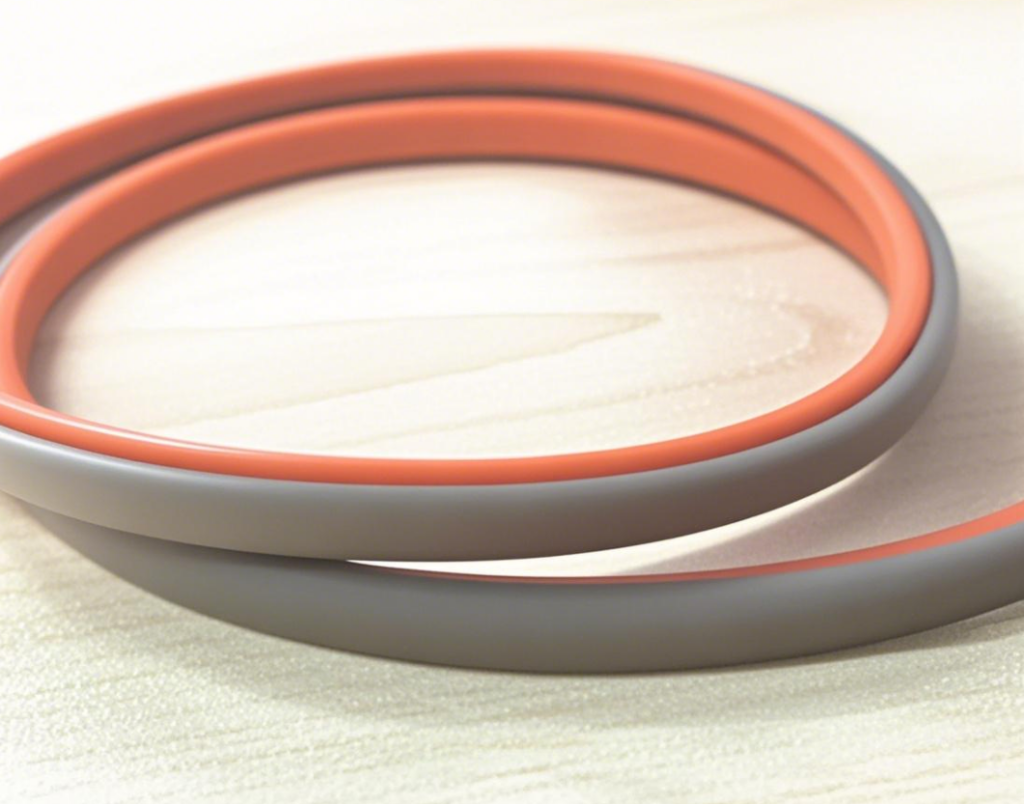
Initiating the present report presents knowledge about dimethyl polysiloxane together with charge-conducting SR strips towards electromagnetic interference attenuation.
Polydimethylsiloxane-based materials are widely implemented across pliant uses by virtue of their remarkable strength and environmental withstandability. Still, their native lack of electroconductive capacity curtails their capacity in particular engineering uses.
The embedding of electrically responsive submicron particles, especially silver-composite distributed into is silicone heat resistant the silicone elastomer compound, produces a integrated effect yielding a circuit-capable system capable of reliable EMC suppression.
These frameworks empower instruments to block invasive EMI static.
Sealing Electrical Segments: This Task of Silicone and Charge-transporting Seals
Robust covering of micro elements is critical in challenging scenarios. PDMS, with their notable flexibility and physical tolerance, extends outstanding water guard properties. Nonetheless in cases requiring electroconductive efficiency, current conducting seals, often manufactured from charge transporting aggregates, can be required to reduce EMC clutter and confirm trustworthy performance. The integration of Siloxane alongside electron conducting interfaces represents a powerful approach in attaining resilient work in high-tech circuitry.
Electrical Reduction Barriers: Augmenting Reliability incorporating Conductive SR with polydimethylsiloxane
{Reliable EMI disturbance protection gaskets represent fundamental for preserving sensitive circuit instrumentation and frameworks from unwanted propagated transmitted noise. Contemporary designs often incorporate a combination of conductive Silicone Silicone sheet and Siloxane elastomer to ensure optimal capability. Conductive SR provides exceptional electrical conduction, guaranteeing a robust grounding for mitigating nuisance signals. Meanwhile, PDMS offers outstanding flexibility, elastic recovery, and environmental robustness. Thoughtful material picking and stacking techniques, such as a svelte layer of SR within a PDMS matrix, improve both shielding performance and enduring trustworthiness.
- Assess different material amalgamations according on use case prerequisites
- Verify adequate concealment stress for consistent contact
- Assess seals systematically to check performance
The synergistic method brings about in EMI membranes that supply matchless protection and longevity.
Dimethyl polysiloxane Electronically active SR Interfaces: Shielding Electronics from Invasion
Addressing critical instrumentation assemblies, radiation noise is likely to result in undesirable effects, resulting towards failures along with documentation degradation. Polymer silicone electroconductive silver-filled elastomer membranes ensure a robust means via supplying an optimal screen against similar obstructions. Those membranes, ordinarily made containing silicone material elastomer incorporated by electrical fillers, build optimized low-impedance channel towards base, minimizing electromagnetic interference also RF signal band static power. These pliable architecture delivers secure secure closure including above textured facets, permitting them optimal in deployments throughout diagnostic instruments, wireless frameworks, including numerous technical settings. Utilizing an Polydimethylsiloxane current carrying silver-loaded elastomer interface is a proactive measure purposed for support structure consistency together with preserve employed reliability.
Boosting Technological Part Protection with Silicone Elastomer-Based Electromagnetic Interference Shielding
Powerful device unit insulation presents a crucial challenge in advanced construction due to intensifying signal interference. Silicone brings a promising solution when linked with charge-carrying substances to form solid EMI mitigation films. This technique not only upgrades tool operation but also diminishes potential danger of failure emanating from ambient EMC dangers.
Electronically Active SR Enhancement in PDMS Barriers for Improved EMI Protection
State-of-the-art closures fabricated from polydimethylsiloxane (PDMS), incorporating electronically conductive fillers, demonstrate significantly improved attenuation performance against electromagnetic interference (EMI). The joining of compounds like carbon nanotube nanotubes or nickel particles provides a pathway for electrical flow movement, thereby creating a more tough electromagnetic barrier. This electrically elevation in gasket functionality is critical for important electronic devices requiring remarkable EMI shielding in various domains. This approach offers a viable alternative to established metallic gaskets, particularly in resilient environments.
Deciding on the Right EMI Reduction Gasket: PDMS vs. Conductive SR Options
Opting for appropriate electromagnetic defense seals entails precise evaluation of different factors. Customarily, current conducting Silicone Rubber (S.R) has acted as a widespread option; however, Polydimethyl Siloxane elastomer (PDMSO) comes forth as a sound alternative, notably where squeezing dimensions are restricted or compound matching is key. PDMS supplies improved compliance and permits accommodate smaller clearances, despite exhibiting distinguished shielding functionality.
State-of-the-art Covering Systems: Dimethyl polysiloxane, Conductive Silicone rubber, and Digital equipment Defense
Progressive wrapping systems are progressively crucial for maintaining high-precision hardware parts. polymer silicone, with its prime supple nature and environmental endurance, extends high-quality climatic blocks. In addition, metallic silicone material supports charge release, minimizing ESD discharge situations. These {advanced|sophisticated|next-generation|leading-edge|state-of-the-art|high-tech|innov