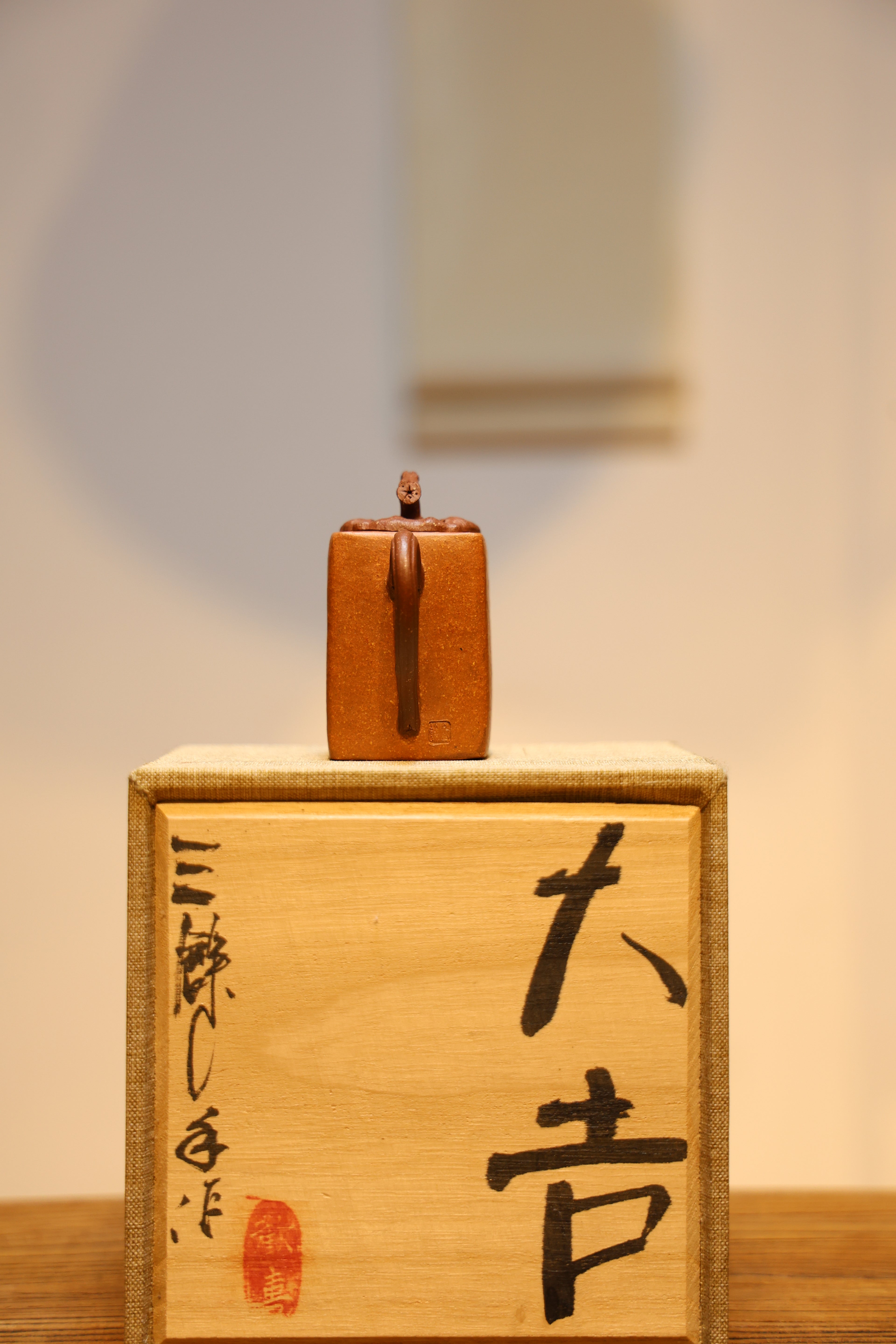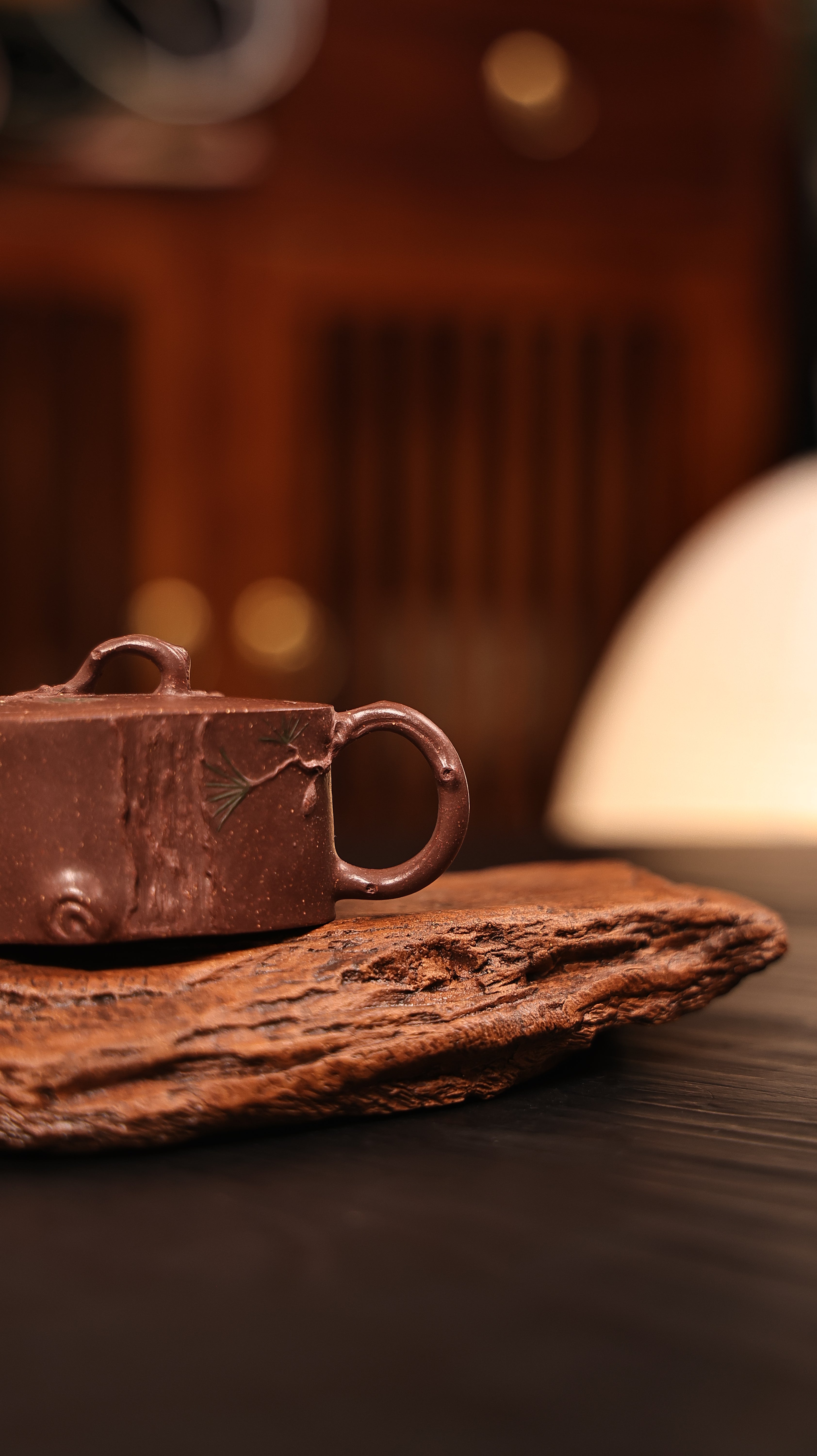
Continual lineage determines Zisha earthenware via timespans,
Embodying singular traits derived among territorial amethyst components, the pots develop a sheen across application, augmenting aroma drawn from created extracts.
Appreciating Yixing Clay: In-Depth Insights into Zisha
Numerous enthusiasts admire the peculiar consistency of Yixing plum clay, a base of heritage Chinese earthenware. Coming from the Yixing region of Jiangsu province, this exceptional clay boasts an intricate mineral form, whereby contributes superb qualities to the produced pots. Types within Zisha, including Bing Mud, Duan Ni Mud, and Jiang Xi Mud, each demonstrates particular tints, patterns, and hardening traits, affecting the openness and the concluding bouquet growth of the tea.
Sino Pitcher Practices: Investigating Expertise
Asian teapots embody exceeding mere vessels for extract; they exemplify centuries of traditional sophistication. From the distinguished Yixing clay variations, respected for their breathable nature which adds distinctive tones to the infusion, to the delicate porcelain from Jingdezhen, each piece discloses a account of dedication. The forming process is an detailed journey, often relayed through families of experts. These artisans use ancient systems such as hand-building, carving on wheels, and decorating, demonstrating profound reverence for the component and the discipline itself. Contemplate the labor invested in each piece as a symbol of Chinese pottery legacy.
- Jiangsu vessels: a renowned option.
- Fine china teapots: recognized for their graceful design.
- Constructing techniques: a arduous yet worthwhile procedure.
Eastern Clay Urn Maintenance: Sustaining Your Prized Possession
Fitting care of your esteemed Yixing Zisha teapot is fundamental to boosting its longevity. Crafted from noteworthy purple sand earth, these outstanding teapots attain a subtle patina after employment, meaningfully boosting their allure. Do not use solvents; a easy rinse with mildly heated aqueous is adequate. Avoid steaming water for refreshing the teapot, as it may harm its composition. Allow it to become dry away from intense radiance. Consider flavoring your teapot regularly using choice tea, especially dark varieties. Here is a brief checklist:
- Swill with comfortably warm liquid.
- Do not use washers.
- Facilitate it to dry completely.
- Break in with superior tea.
Background of Yixing Teapots: Initial Phases
The saga of Yixing teapots arises fundamentally during the Ming dynasty, approximately the 16th era. Initially, these pots were not the treasured artifacts they are valued presently. They were shaped by territorial potters using the unparalleled purple clay obtained solely in the Yixing vicinity. These early artworks were principally utilitarian, created for habitual performance and often minimal in pattern. It was not until the afterward dynasty that they launched to earn honor beyond mere serviceable objects.
Deciding On the Best Chinese Vessel: A Novice's Guide
Venturing the world of Yixing teapots can be difficult, but eschew hesitating! For initiates, the essential factor is understanding the material. Genuine Yixing clay is prized for its porosity, allowing the teapot to collect the tea's note over time, amplifying every preparing session. Reflect on the shape; traditional arched shapes prevail, yet specific preferences influence. Lastly, assess the surface—while some favor an plain appearance, others like a soft gloss. Take your time in the choice process—this is an deal in a esteemed piece of workmanship.
Yixing Kettles and Their Importance on Chinese Infusion Tradition
Zisha pitchers, emerging from Yixing, China, have profoundly molded enduring Chinese beverage culture. The Yixing clay teapots, prized for their singular hue, makeup, and exceptional ability to impart a subtle essence to the beverage, represent more than mere holders; they are admired objects and symbols of renown. The very observance of preparing and serving brew using a Zisha teapot is steeped in tradition, elevating the experience beyond simple refreshment. Dynasties of artisans have refined their techniques, passed down through progenies, resulting in highly sought-after pieces. Consequently, Zisha teapots are frequently accumulated, playing a crucial part in cultivating local appreciation for aesthetics and the ritual of drink ceremonies.
- Singular Clay Composition
- Providing Subtle Flavor
- Ornamental Craftsmanship
Distinguishing True Unique Provincial Containers
Finding a original Yixing teapot can be a beneficial experience, but the trade is often overrun with replicas. Identifying between a true antique and a new reproduction requires exacting inspection. Key signs include the clay's auburn shade, often displaying tiger skin marks, and the shortage of modern firing imprints. The design should exhibit natural refinement, reflecting the traditional Yixing look. Finally, analyzing the creator's emblem is essential to verify validity against official references.
- Assess the clay's feel.
- Look for inconsistencies, indicative of tailored quality.
- Seek an connoisseur for validation.
Investing in Chinese Containers: A Informative Handbook to Clay Ware Review
The industry of 宜兴 Zisha containers delivers a outstanding opportunity for knowledgeable buyers. Gradually, the appraisal of these skilled artifacts is driven by many aspects, such as the class of clay substance, the talent of the builder, the historical significance, and, naturally, the present trade. Novices should prioritize on studying the several kinds of Yixing Teapot Zisha clay—such as Frozen River, Peaceful Container, and Vermilion Dirt—and investigating the traits linked to each. Rigorous scrutiny of the object's profile, cast, and imprint is likewise necessary to make wise solutions when investing.