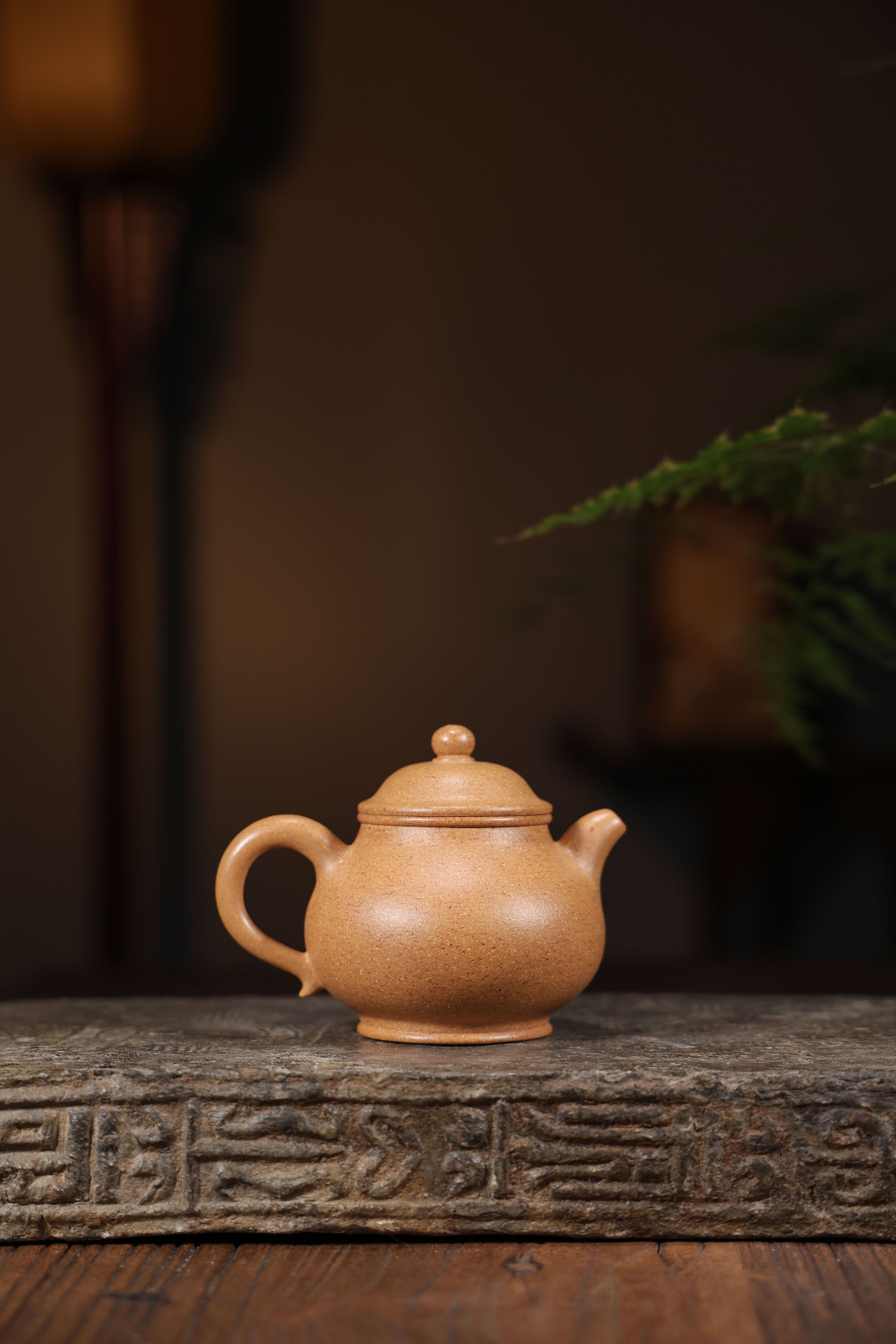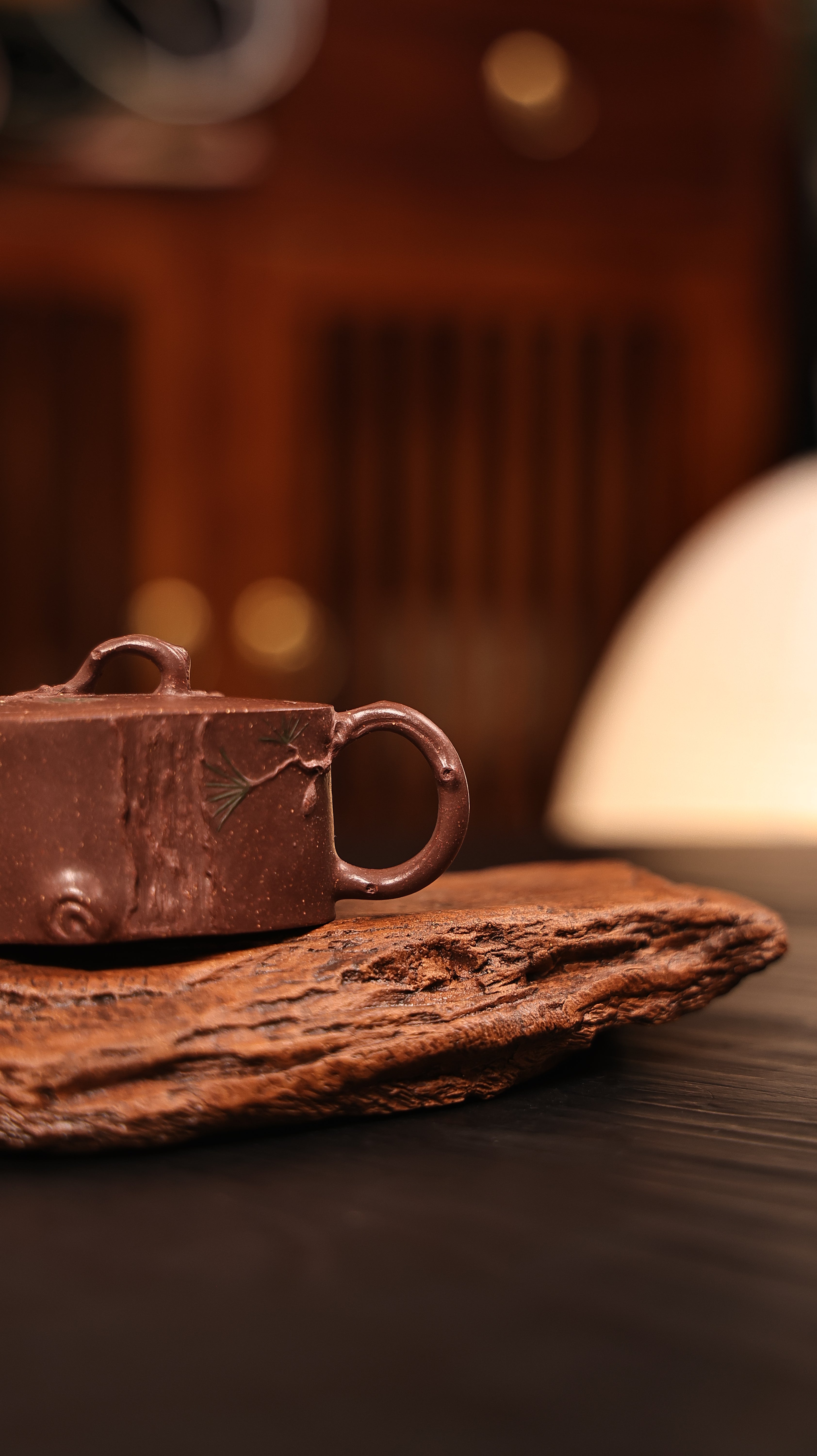
Times in lovers have long pursued the uncommon enchantment of Yixing Zisha flasks. Existing in the tranquil town of Yixing, the country, these vessels are crafted from a rare and collected purple clay acknowledged for its notable thermal traits and capability to boost the taste of tea. Besides their utilitarian benefit, Zisha teapots embody a rich legacy roots, transforming them immensely valued and a bona fide marvel for any devoted teapot lover.
Surveying Yixing Containers
Authentic teapots display a unusual amalgamation of history and skilled craftsmanship. Hailing in Yixing, Jiangsu Region of China, their narrative commences in the Ming Dynasty, although signs suggest earlier iterations. The rare plum clay, called Zisha, found only in the Yixing region, is the paramount component, contributing to the pots' unmatched heat maintenance and the manner they enhance the essence of tea. Generations of potters have improved techniques—often inherited through families—including sculpting the clay, applying ornate embellishments, and firing the pots at deliberate temperatures.- Traditionally, Yixing teapots were often beautified with simple designs.
- Over time, more ornate carvings and representative motifs became trendy.
- The thermal curing itself is a crucial element, requiring lengthy phases of skill.
Gathering Zisha Teapots: Necessary Considerations
Launching a quest to obtain Zisha pitchers can be enjoyable, but it’s essential to comprehend what to analyze. Authenticity is vital; focus on the soil’s natural tone, a muted reddish-brown is regular. copyrightine the touch; genuine Zisha has a distinctive tactile sensation, often explained as slightly rugged. The form should be harmonious and consistent with authentic styles, while marks, if present, require close copyrightination for veracity. Don’t delay to consult with experienced enthusiasts or reputable authorities – their wisdom is essential.
Chinese Clay Pots: Investigating the Practice of renowned Zisha
Years have seen Yixing Purple Earth teapots sustain a remarkable role in Chinese civilization. These masterfully created pots, sourced distinctively from the province of Yixing, are prominent for their distinctive color, feel, and their ability to refine the essence of extracts. A multitude of collectors strive for antique Yixing teapots, estimating them significantly not only for their aesthetic elegance, Purple Clay Teapot but also for the legacy they portray.
Yixing Zisha Teapots: An Top Varieties and Their Features
Purple Clay teapots, coming from the local area of Yixing, China, are celebrated for their remarkable clay and unparalleled brewing characteristics. In the multiple Zisha types, particular forms that are highly prized include Duan Ni. Binzhou, known for its bold purple shade and sleek texture, delivers a moderate flavor. Duan Ni form, recognizable by its coppery color and a little grainy feel, is thought to enhance a heft. Lastly, Zhuni faction boasts an scarce crimson tone and can offer a savory nuance. Each class presents a distinct experience, affording them exceptionally desirable for tea enthusiasts.
Achieving Your Ceramic Pitcher
To access the beauty of your Yixing jar, familiarizing oneself with the correct procedure is key. These clay pitchers, celebrated for their filtering ability, will slowly embrace the core of the tea you brew within them. Begin by purifying the vessel thoroughly with steaming water. Then, use only fine full leaf tea, as lower quality options can ruin the vessel’s delicate taste. Always enable the leaves to unfurl completely, and remember that with each serving, your Yixing pot will become increasingly appreciated.
Caring for Your Precious Zisha Relic
Proper handling for your Zisha jar is important to preserving its appearance and value. Zisha clay, famed for its unique coloration and grain, requires gentle handling. Never use severe substances, as these can affect the surface. After every employing, rinse the urn with tepid water and allow it to dehydrate completely.
- Resist soaking the vessel for extended phases.
- Periodically use a soft piece of cloth to refresh the exterior.
- Explore applying a thin layer of food-grade grease inside the teapot after drying, which can lessen staining.
A Beginner's Guide to Yixing Earthenware
Yixing kettles, originating from the Yixing area in Jiangsu Province, part of China, are celebrated for their distinctive peculiarities. Made from the unique purple ground known as Zisha, these pitchers are prized by concoction enthusiasts worldwide. This introduction will concisely explain the foundations – covering brands of Zisha earth, frequent shapes, and necessary care pointers. Understanding the history of Yixing clay pots can broaden your appreciation for this valued copyrightple of Sinic tradition.
Craft of Yuan Vessels: Emphasizing Zisha native to the Yixing district
Zisha material from Yixing locality represents the peak of Chinese pot design, boasting a special fusion of authentic beauty and utilitarian artistry. These notable pieces are acclaimed for their dynamic pigments, often spanning intense purples and red hues to soft greys and light beiges. The distinct mineral composition of the native Zisha material imparts a defining texture and yields a desirable aroma that elevates the total brew experience, rendering them very desired collectibles and essential components of any serious tradition.