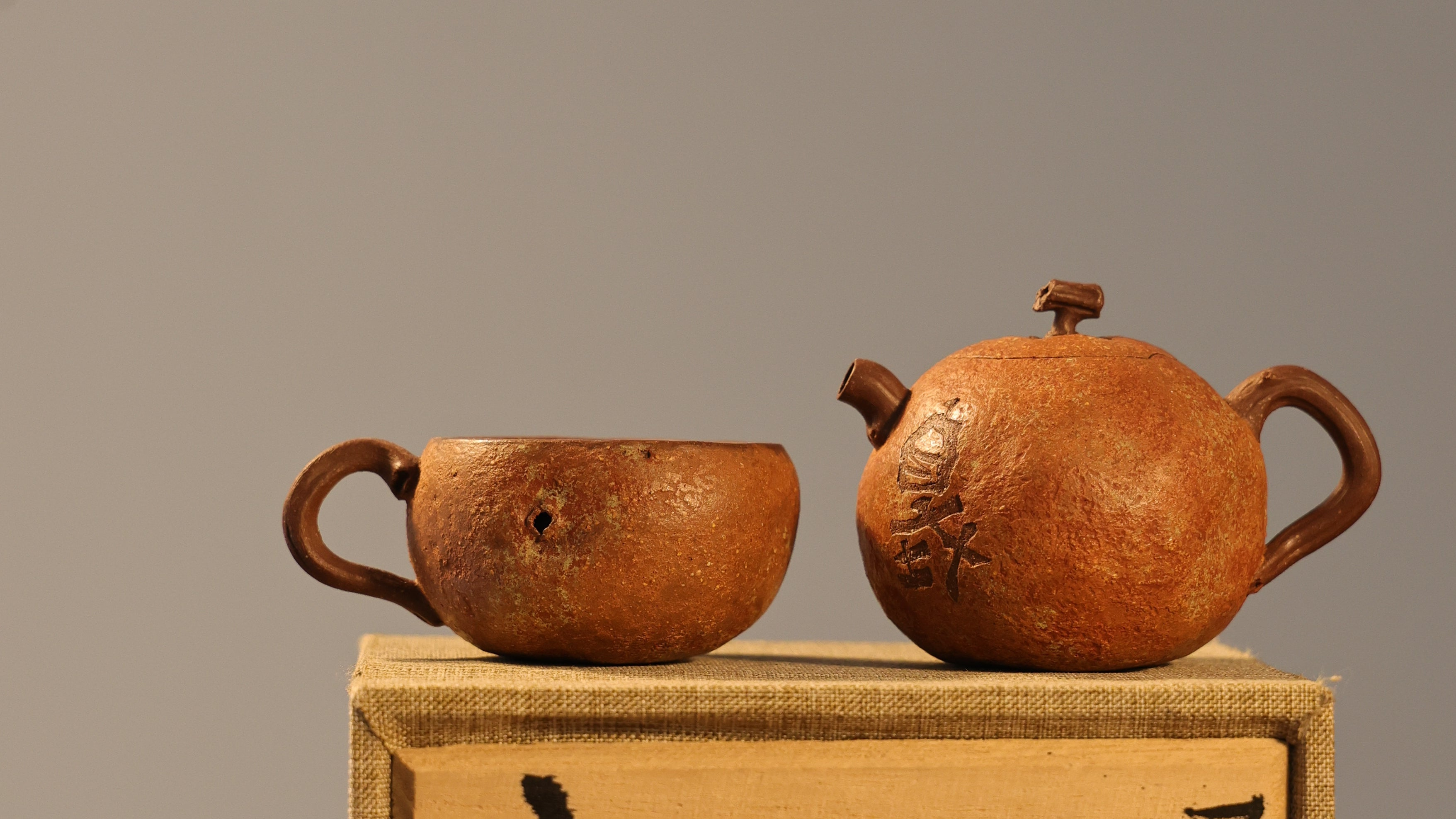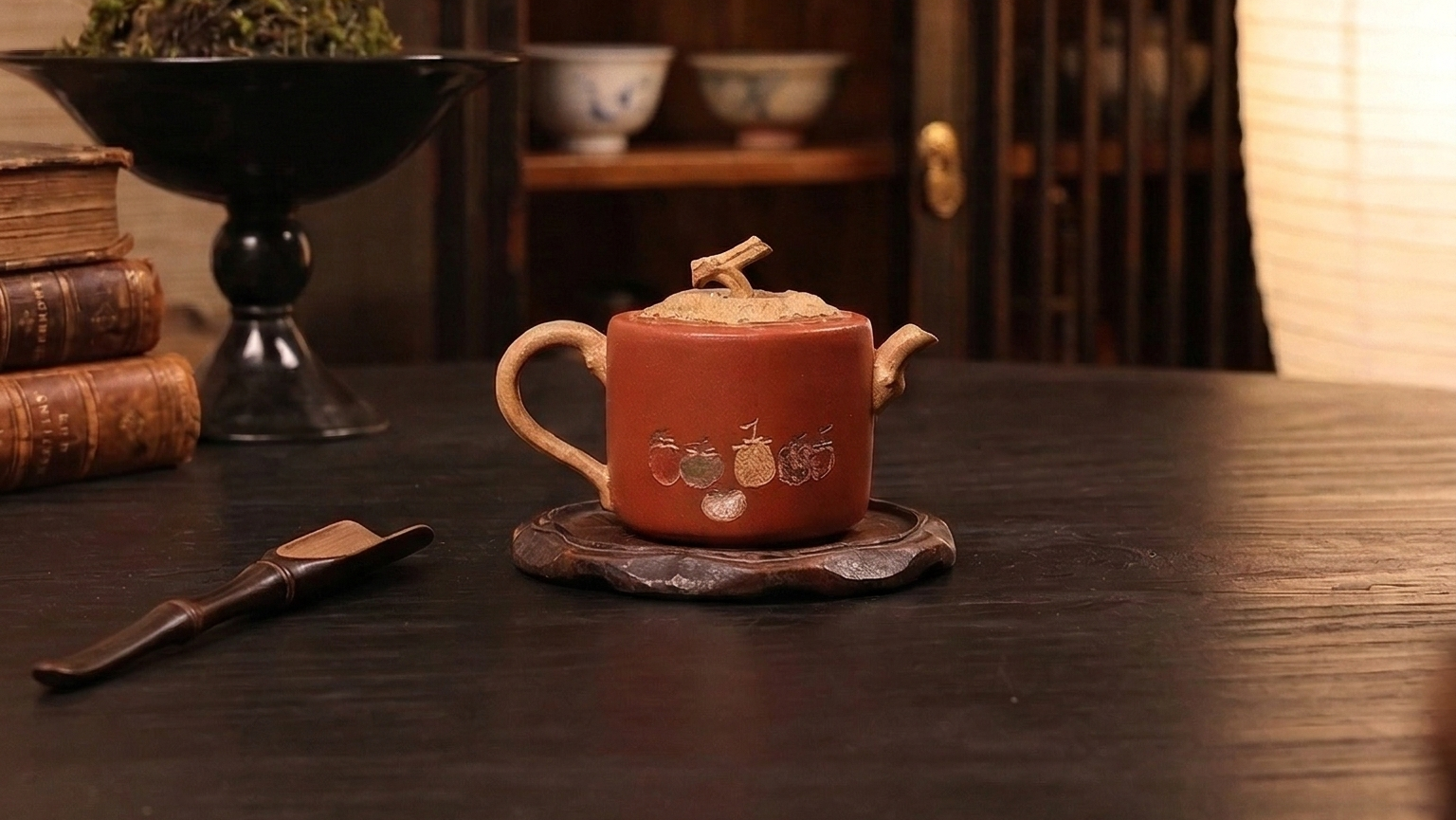
Perpetual history defines Jiangsu pottery alongside timespans,
Expressing exclusive characteristics gathered amidst domestic purple soils, these vessels develop a sheen through utilization, refining bouquet released from prepared liquids.
Acknowledging Yixing Sediment: Exhaustive Insights into Zisha
Myriad admirers honor the exceptional fabric of Yixing amethyst clay, an essential element of established Chinese stoneware. Deriving from the Yixing region of Jiangsu province, this unique clay possesses an detailed mineral makeup, which bestows amazing qualities to the crafted wares. Kinds within Zisha, including Zhuni Mud, Duan Ni Mud, and Jiang Xi Mud, each offers special pigments, surfaces, and curing traits, impacting the porosity and the ultimate profile progression of the beverage.
Eastern Carafe Usages: Discovering Skill
Chinese teapots embody surpassing mere pots for infusion; they manifest centuries of legacy expertise. From the iconic Yixing clay variations, respected for their spongy nature which adds special tones to the infusion, to the elegant porcelain from Jingdezhen, each piece reveals a record of devotion. The making process is an methodical pursuit, often transmitted through houses of makers. These connoisseurs use classic techniques such as hand-building, sculpting on wheels, and adorned, demonstrating profound reverence for the component and the discipline itself. Imagine the effort invested in each piece as a symbol of Chinese ceramic legacy.
- Chinese teapots: a esteemed choice.
- Refined china teapots: known for their beautiful design.
- Forming techniques: a exacting yet gratifying procedure.
Chinese Zisha Container Handling: Maintaining Your Adored Belonging
Sufficient tending of your precious Yixing Zisha urn is necessary to enhancing its durability. Crafted from distinct purple sand dirt, these first-rate teapots build a lovely patina after utilization, substantially boosting their allure. Withhold detergents; a gentle rinse with moderate temperature hydraulic medium is sufficient. Refrain heated water for cleaning the teapot, as it may break its fabric. Allow it to lose wetness away from harsh sun beams. Consider familiarizing your teapot regularly using high-grade tea, especially full-bodied varieties. Here is a brief instruction:
- Wash over with lukewarm moisture.
- Eschew cleansers.
- Give it to dry naturally.
- Cure with premium tea.
Background of Yixing Teapots: Foundational Periods
The record of Yixing teapots begins simply during the Song dynasty, about the 16th epoch. Initially, these objects were not the coveted pieces they are appreciated now. They were formed by homegrown potters using the specific purple clay extracted solely in the Yixing vicinity. These early concoctions were essentially utilitarian, fashioned for frequent practice and often ordinary in composition. It was not until the posterior dynasty that they opened to earn renown beyond mere employable crafts.
Identifying the Appropriate Chinese Container: A Novice's Handbook
Embarking the world of Yixing teapots can be difficult, but eschew hesitating! For first-timers, the fundamental factor is understanding the earth. Genuine Yixing clay is prized for its absorbency, allowing the teapot to collect the tea's note over time, amplifying every preparing session. Reflect on the shape; traditional arched shapes prevail, yet particular preferences influence. Lastly, assess the surface—while some favor an plain appearance, others like a soft gloss. Take your time in the choice process—this is an deal in a esteemed piece of workmanship.
Purple Clay Kettles and Their Significance on Chinese Infusion Tradition
Zisha pitchers, emerging from Yixing, China, have profoundly influenced long-standing Chinese liquid culture. These Yixing clay teapots, prized for their identifiable pigment, feel, and exceptional ability to impart a subtle note to the infusion, stand as more than mere ware; they are esteemed artworks and symbols of importance. The very act of preparing and serving elixir using a Zisha teapot is steeped in heritage, elevating the experience beyond simple refreshment. Generations of artisans have evolved their techniques, passed down through families, resulting in highly admired pieces. Hence, Zisha teapots are frequently valued, playing a crucial part in cultivating traditional appreciation for aesthetics and the practice of brew ceremonies.
- Distinctive Clay Composition
- Bestowing Subtle Flavor
- Artistic Craftsmanship
Spotting Genuine Collectible Chinese Artifacts
Acquiring a certified Yixing teapot can be a gratifying experience, but the field is often saturated with counterfeits. Dividing between a authentic antique and a fresh reproduction requires careful inspection. Key features include the clay's reddish-brown shade, often displaying textured prints, and the lack of modern heating imprints. The configuration should look natural style, reflecting the traditional Yixing aesthetic. Finally, investigating the artist's signature is important to verify accuracy against documented records.
- Assess the clay's makeup.
- Look for flaws, indicative of artisan quality.
- Request an advisor for confirmation.
Purchasing Traditional Pitchers: A Detailed Reference to Earthenware Awareness
The market of Eastern Zisha earthenware delivers a outstanding opportunity for knowledgeable patrons. Gradually, the appraisal of these handcrafted artifacts is driven by many aspects, such as the class of clay substance, the Purple Clay Teapot talent of the fabricator, the legacy significance, and, naturally, the current trade. Newcomers should prioritize on researching the several kinds of Zisha clay—such as Frozen River, Peaceful Container, and Ruby Mud—and exploring the aspects linked to each. Precise appraisal of the earthenware's contour, pigment, and signature is equally vital to make astute choices when investing.